
No Leadership Team

So You Can Stop Carrying the Whole Practice on Your Shoulders
You’re the owner, the CEO and the person everyone naturally turns to when they need an answer.
That may work just fine for a while. But as the practice grows, more decisions, questions and little fires keep making their way back to you.
Even good managers may need more training, clearer authority and a little more confidence before they’re ready to truly take the ball and run with it.
So you stay involved in far more than you should have to be.
A true leadership team frees you to set the vision, create bigger goals and lead the practice where you want it to go.
Is It Time to Create (or Strengthen) Your Leadership Team?
You may be ready to build—or power up—your leadership team if:
- Every decision still comes back to you
- Your managers need help truly managing
- You’re unsure who has leadership potential
- You don’t delegate because you’re unsure the work will be handled well
- You keep getting pulled into problems others should be able to solve
- You want to grow, step back or sell—but the practice still depends too heavily on you
A Great Employee Isn’t Automatically a Great Leader
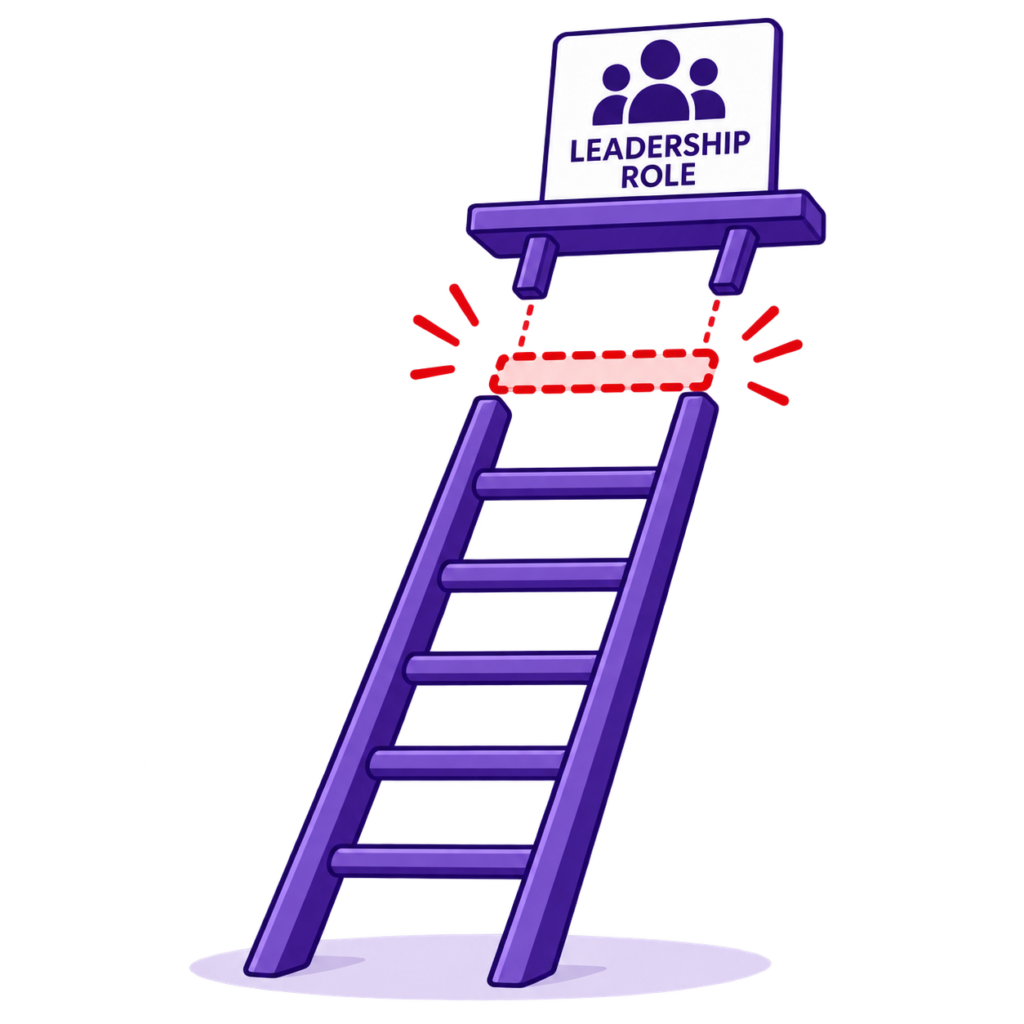
This is where many practice owners get into trouble.
A team member is dependable, wonderful with families and excellent at their job, so you promote them.
Congratulations. The person now has a title, more responsibility and absolutely no idea how to manage people.
Being a strong clinician or an amazing front-office employee may mean someone has leadership potential. But potential needs to be developed.
If you hand someone a management position before they’re ready, they may avoid difficult conversations, struggle to hold people accountable or bring every decision right back to you.
Now they’re frustrated. You’re frustrated. And a staff member who used to shine may start wondering if they want to stay.
Find the Right People—and Develop Them Gradually
You may already have future leaders on your team.
They’re often the people who solve problems instead of simply reporting them. They care about the whole practice, not just their own corner of it. Other employees naturally turn to them for help.
But identifying those people is only the beginning.
We help you give them responsibility gradually, teach the skills they’ll need and see how they perform before handing them half the practice and hoping for the best.
That may mean allowing someone to lead a small project, oversee one area, mentor another employee or make certain decisions independently.
Step by step, you’ll see who rises to the occasion—and who was happier where they were.
Give Your Managers More Than a Title
Real leaders need clear responsibilities, authority and expectations.
They need to know:
- What they’re responsible for
- Which decisions they can make
- When something should come to you
- How to communicate appropriately to staff
- How to motivate the people they lead
- How their success will be measured
- How to hold employees accountable
- How to address problems without avoiding them or turning every conversation into World War III
- How their role supports the practice’s larger goals
Without that clarity, managers either overstep, underperform or keep asking you what to do.
Sometimes all three before lunch.

We Help You Create the Leadership Structure Your Practice Needs
Every practice is different.
A smaller practice may need one strong second-in-command.
A larger practice may need an executive team, department leaders and additional leadership within each division.
We help you figure out what makes sense for the size of your practice, where you’re going and what’s currently landing on your plate.
Depending on what we uncover, we may help you:
- Identify employees with real leadership potential
- Determine which leadership roles your practice needs
- Clarify responsibilities and decision-making authority
- Develop leaders gradually instead of promoting too quickly
- Train managers to communicate, delegate and handle difficult conversations
- Create accountability around goals, responsibilities and practice numbers
- Decide when to promote internally and when to hire from outside
- Build a team that can carry the practice forward with you
Because this isn’t about creating fancy titles.
It’s about putting capable people in the right roles and teaching them how to lead.
Stop Being the Practice Bottleneck
When every answer has to come from you, the whole practice can move only as quickly as you do.
Staff wait.
Decisions pile up.
Problems sit longer than they should.
And you spend your days handling things other people could absolutely learn to manage.
A strong leadership team spreads out the responsibility. More people are solving problems, supporting the staff and moving the practice toward the same goals.
You’re still leading.
You’re just no longer carrying the entire thing on your back.
Create a Practice That Can Run Without You in Every Room
A leadership team gives you choices.
You can take time away without checking your phone every eleven minutes.
You can focus on the decisions only the owner should make.
You can open another location without cloning yourself—which, sadly, is still not an available business strategy.
And when the day comes to sell, a buyer sees a stable practice with capable leaders already in place, not a business that walks out the door when you do.
Let’s Talk!
Let’s build the team that helps you lead the practice instead of personally holding up every corner of it.